
EMDR for Kids and Adolescents: The Integrative Attachmemt Trauma Protocol (IATP-C) with Debra Wesselmann LIMHP
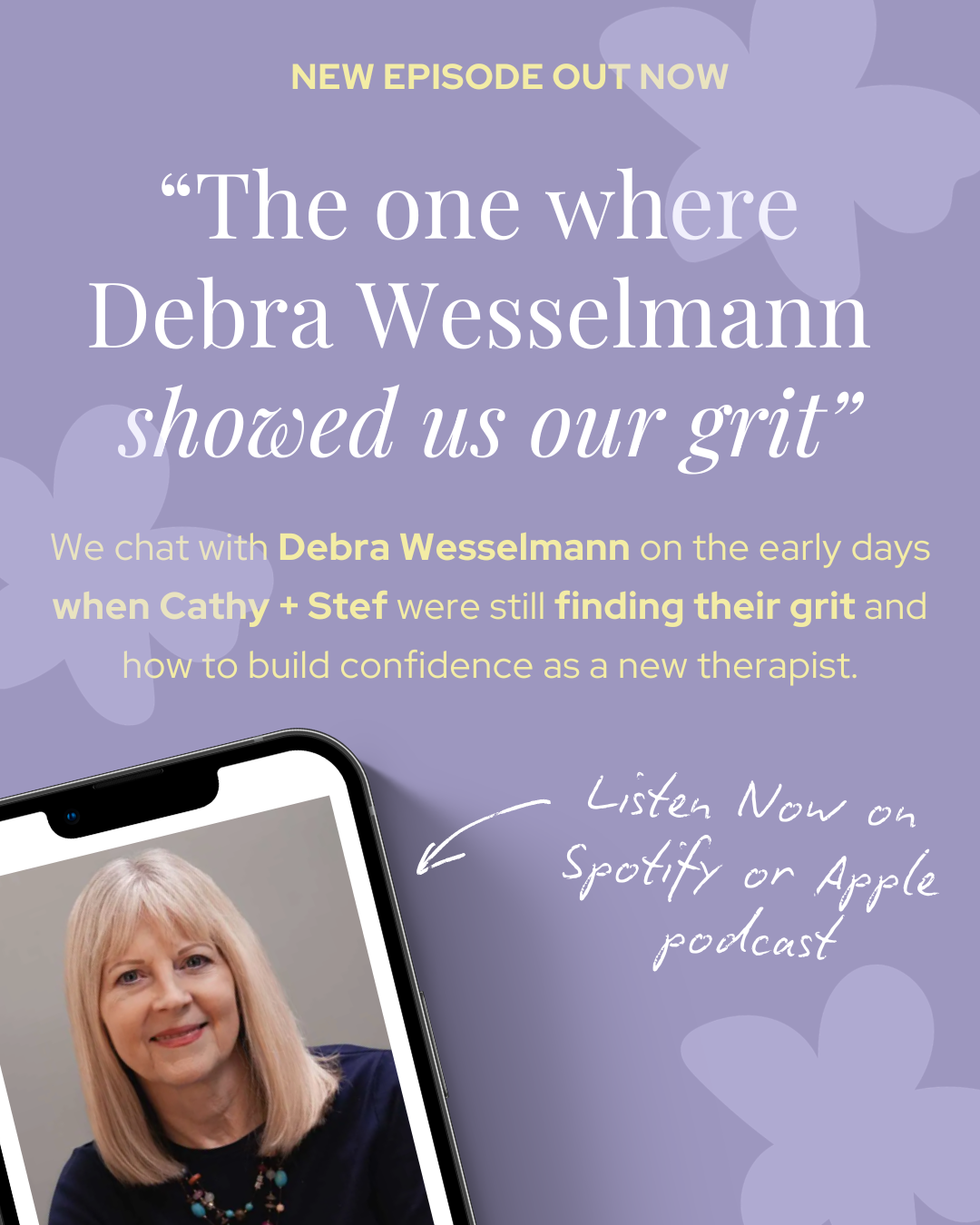
What happens when attachment trauma, EMDR therapy, and family work come together into one powerful foundational protocol?
In this episode of Gettin' Gritty for Mental Health Therapists, we sit down with our longtime mentor, supervisor and collaborator Debra Wesselmann, LIMHP co-founder of theAttachment Trauma Center of Nebraska,to tell the story behind theIntegrative Attachment Trauma Prrotocol for Children and Adolescents.
This conversation is part origin story, part clinical masterclass, part helping you gain the grit!
Deb explains how the protocol provides a clear framework that helps therapists:
Reduce chaos in complex child and family cases
Help parents understand behavior through an attachment and trauma lens
Stabilize the nervous system before trauma processing
Integrate EMDR therapy, family therapy, and attachment repair
Move from crisis-driven sessions to intentional trauma treatment
Deb shares how the protocol evolved from years of working with children and families struggling with attachment trauma, behavioral dysregulation, and complex developmental trauma. What began as a challenge, how to integrate family therapy, attachment repair, and EMDR reprocessing, eventually became a structured framework now used by therapists around the world.
You’ll also hear the behind-the-scenes story of how Francine Shapiro, the founder of EMDR therapy, encouraged Deb to write the book that would formally introduce the protocol to the field AND how Deb supported and encouraged us to be gritty enough to quit our full-time positions as school counselors, become full time mental health therapists, help develop the protocol, open the Attachment and Trauma Center of Nebraska, conduct research and write the Integrative Treatment books.
But this episode isn’t just about history.
It’s about how therapists can actually do this work.
And if you’re an early-career therapist feeling overwhelmed with complex cases, this episode will remind you that even experienced clinicians started somewhere.
Sometimes grit in this field simply means: trying something new before you feel fully ready.
Because therapy takes more than knowledge.
It takes grit.
THE GRITTY THERAPIST SHOP
More Resources Made For Therapists


A simple, in-the-moment reset for therapists when imposter syndrome shows up.
This free ACT-based tool guides you through awareness, connection, and grounded action so you can interrupt the spiral and return to presence in session.